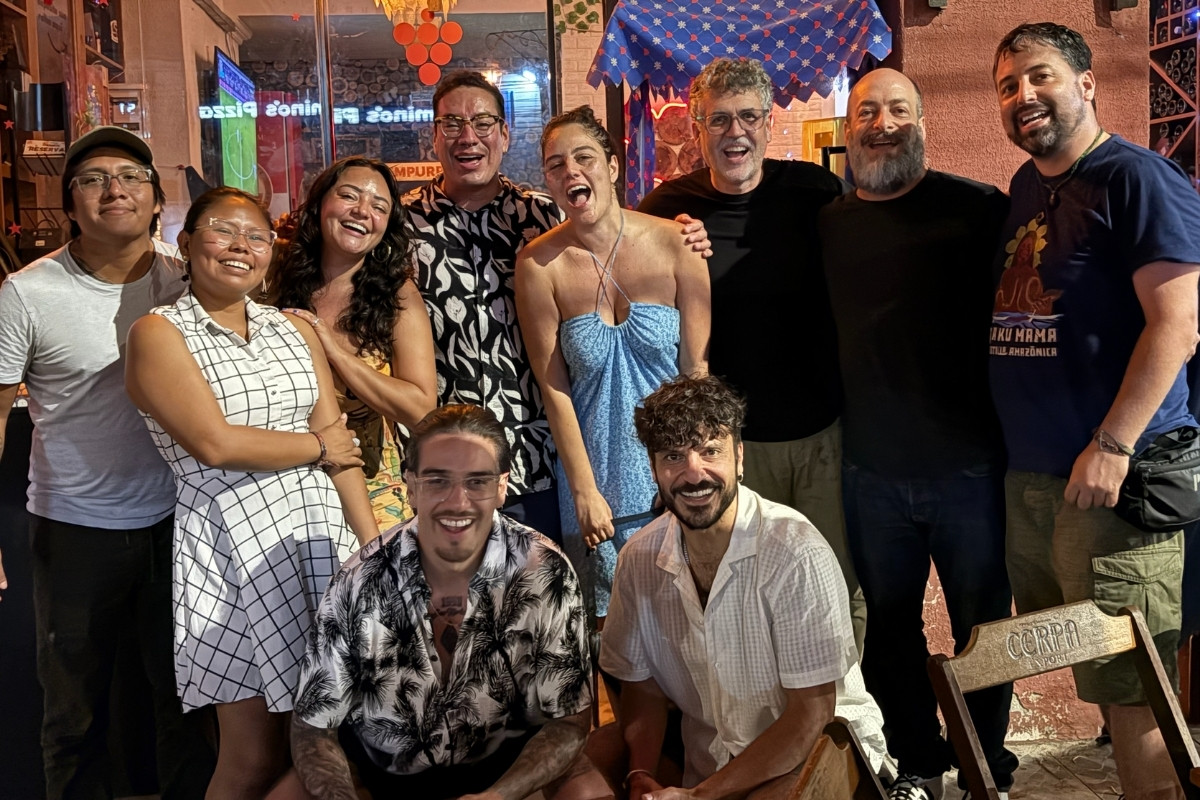
The Action Lab recently participated in COP30, the historic "COP of the Forests" held in Belém, Brazil from November 10-21, 2025. This marked the first time the Amazon hosted the UN Climate Conference, positioning it as a critical moment for climate action as countries submitted updated national climate plans under the Paris Agreement. Our small but strategic delegation built powerful connections with Brazilian organizations at the forefront of climate justice, Indigenous rights, and cultural organizing, including PRODESC (a network of radical litigators defending land defenders across the Americas), PROCOMUM (care-based practitioners centering somatic healing for women advocates), Muyuna Fest (the first jungle-based floating film festival), and Mídia NINJA (a decentralized network of independent journalists with presence in over 200 Brazilian cities). We co-hosted the Rio De Cuidados/Rivers of Care event featuring Lucia Ixchiu, Director of Black Liberation Indigenous Solidarity for the historic Yaku Mama Flotilla, and Maria Socorro, President of the national Recycling Association.
Brazil's climate movements demonstrated the power of militant creative tactics and culture as a primary driver of political action. An estimated 30,000 marchers mobilized with 63-foot cobras, fossil fuel funerals, massive puppets, and innovative chants that captured attention and built power. The most transformative element was the week-long Cúpula dos Povos (People's Summit), an Occupy-style parallel conference that brought together 10,000-15,000 participants including Indigenous peoples, trade unions, economic cooperatives, and social movements. The People's COP issued its own demands and final declaration delivered to official COP30 negotiators, revealing the massive potential for coordinating diverse stakeholders at scale.
COP30's outcomes were mixed. The largest victory was inclusion of a Just Transition Mechanism to support workers and communities shifting to clean energy, putting labor rights at the center of climate action. However, despite demands from over 80 countries, the final declaration failed to mention fossil fuels or provide a phase-out roadmap. Colombian President Gustavo Petro publicly rejected the declaration, stating the failure to name fossil fuels as the cause makes "everything else hypocrisy." For the first time in COP history, the United States sent no official delegation, though Tuvalu's Climate Minister Maina Vakafua Talia powerfully rebuked Trump's Paris Agreement withdrawal, inviting climate deniers to "come stay with me in Tuvalu and see how brave you can be facing that reality." Read more about COP30 outcomes here. We return with strategic partnerships, tactical innovations in culture and direct action, and deeper understanding of building principled international solidarity rooted in justice, care, and the leadership of those most impacted by the climate crisis.